


7 October 2026 – 28 February 2027
Curators: Mária Árvai és Blanka Fábián
Venue: BTM Kiscelli Museum, 1037 Budapest, 108 Kiscelli Street
Opening hours: Tuesday–Sunday, 10:00–18:00
The Diplomat. Culture during the Cold War — Guy Turbet-Delof in Budapest (1947–1958) explores the place of culture and the arts in the turbulent first decade of the Cold War through the story of a French cultural diplomat’s years in Hungary. It approaches the period from several perspectives: French diplomacy, the hostile gaze of the Hungarian political police, and Turbet-Delof’s own outlook, shaped by literature and his personal convictions. It also considers how the artists who knew him may have seen him and brings together works they gave him. Finally, his daughter Christine Turbet-Delof’s recollections reveal an intimate, closer look at his life in Hungary.
As director of the French Institute in Budapest and cultural attaché, Guy Turbet-Delof has long been recognised by historians and literary scholars, chiefly for his 1956 diary and his French translation of Petőfi’s János vitéz (John the Valiant). This exhibition turns to a less familiar aspect of his work: his relationship with the visual arts and with artists. He came to know a remarkable number of them and assisted many far beyond his official duties. For Turbet-Delof, cultural mediation was not merely a professional obligation but a personal mission pursued across the Iron Curtain.
FEATURED WORKS
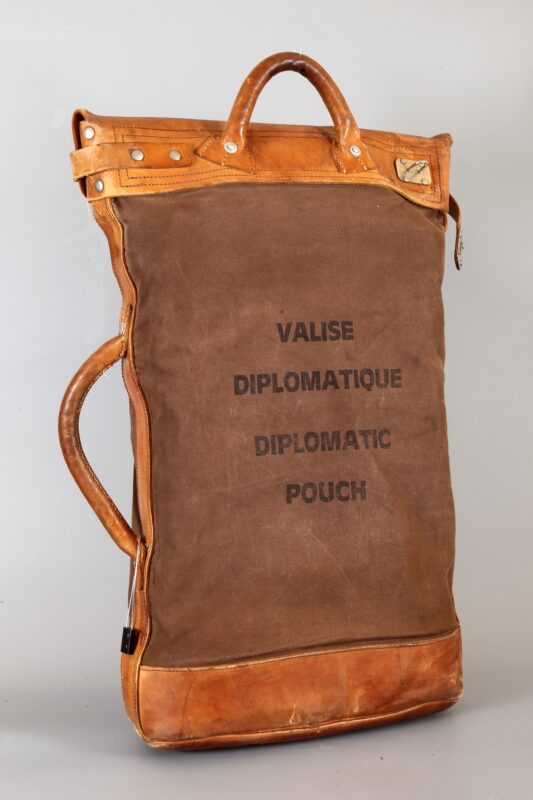
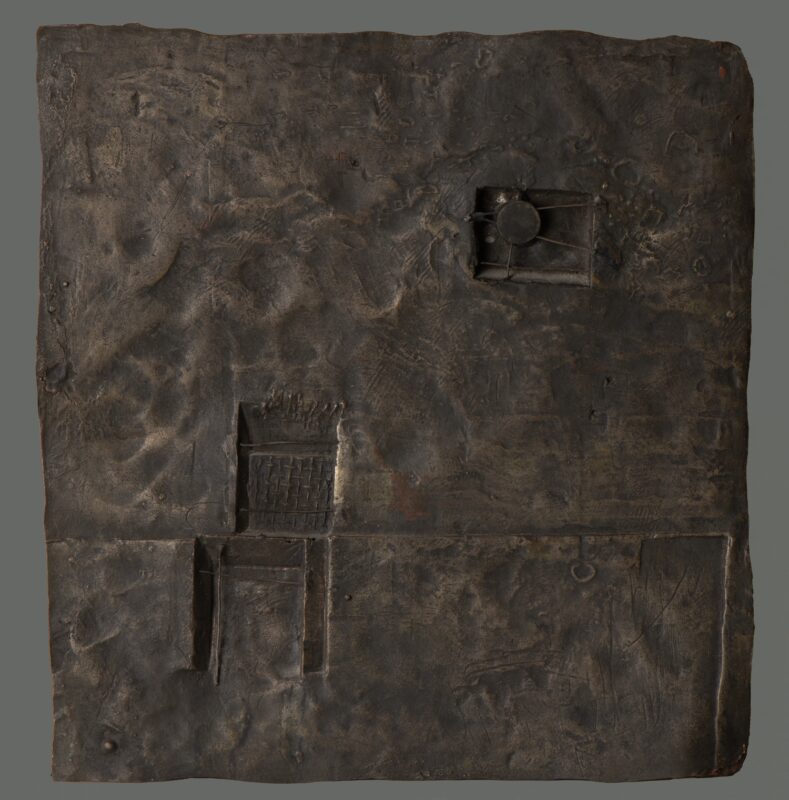
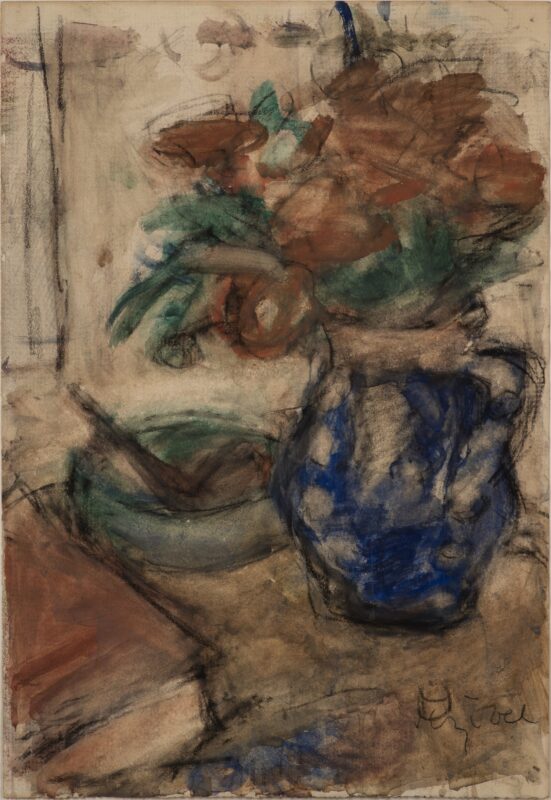
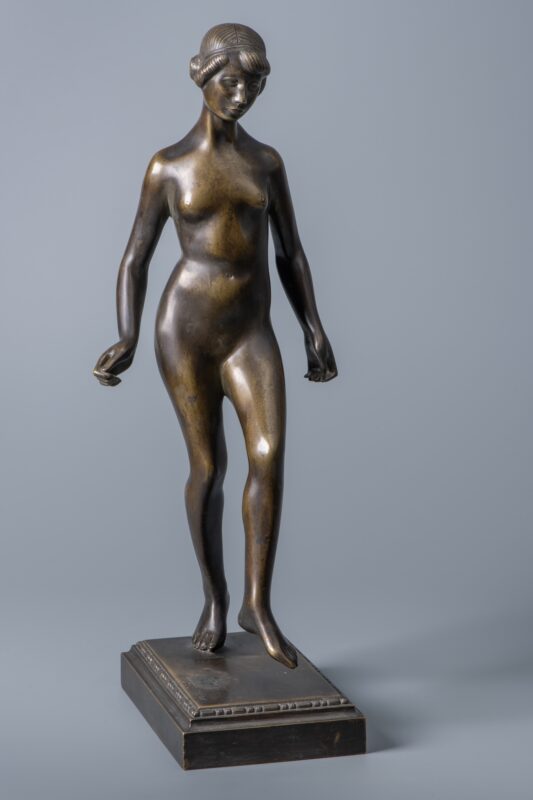
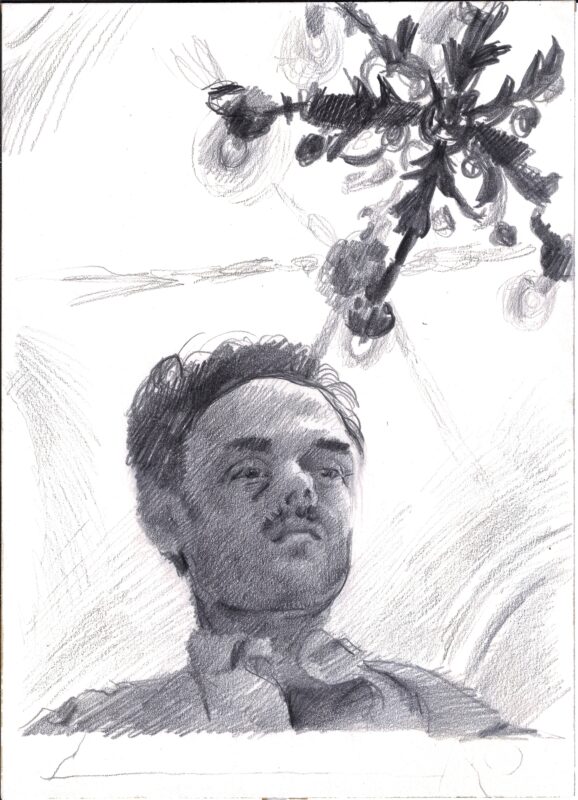
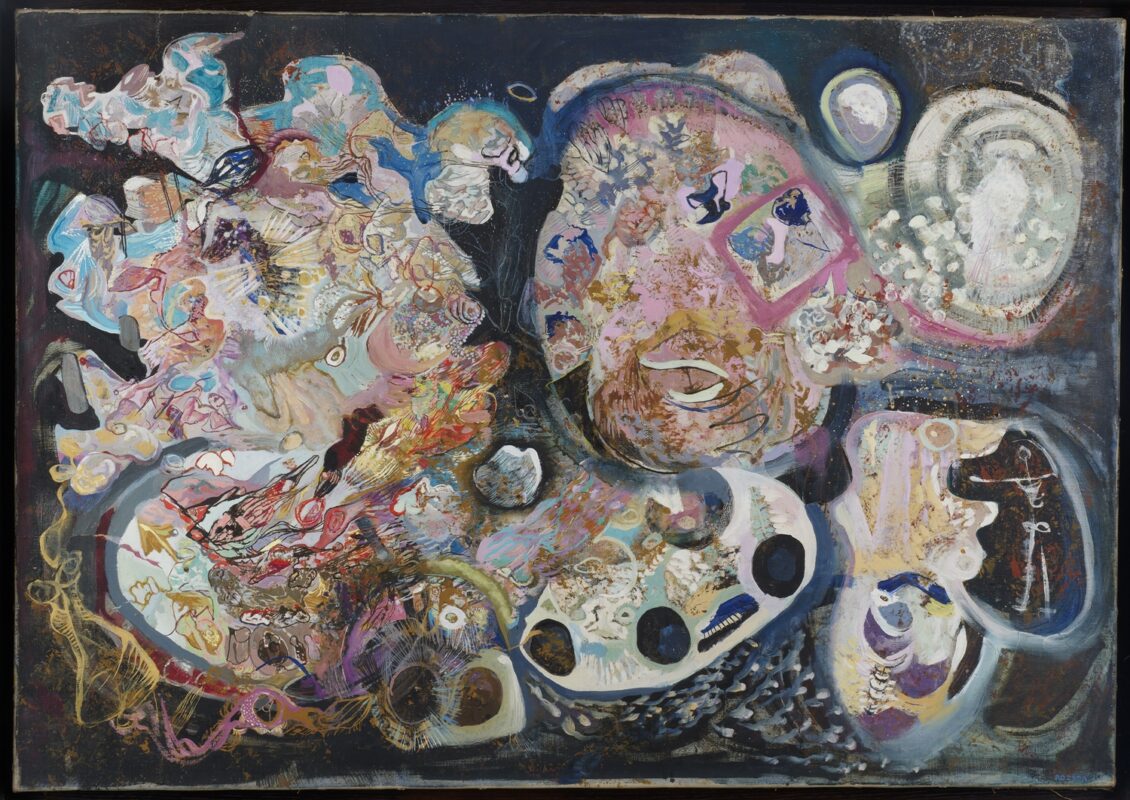
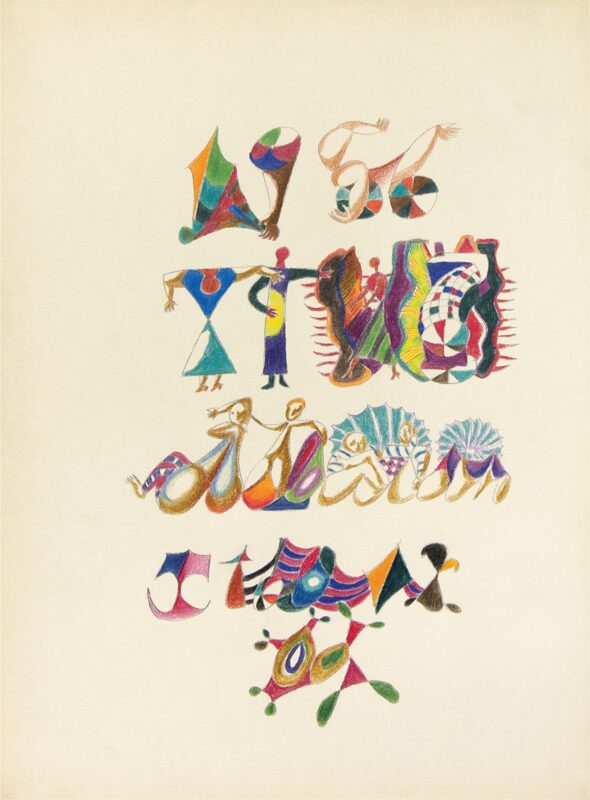
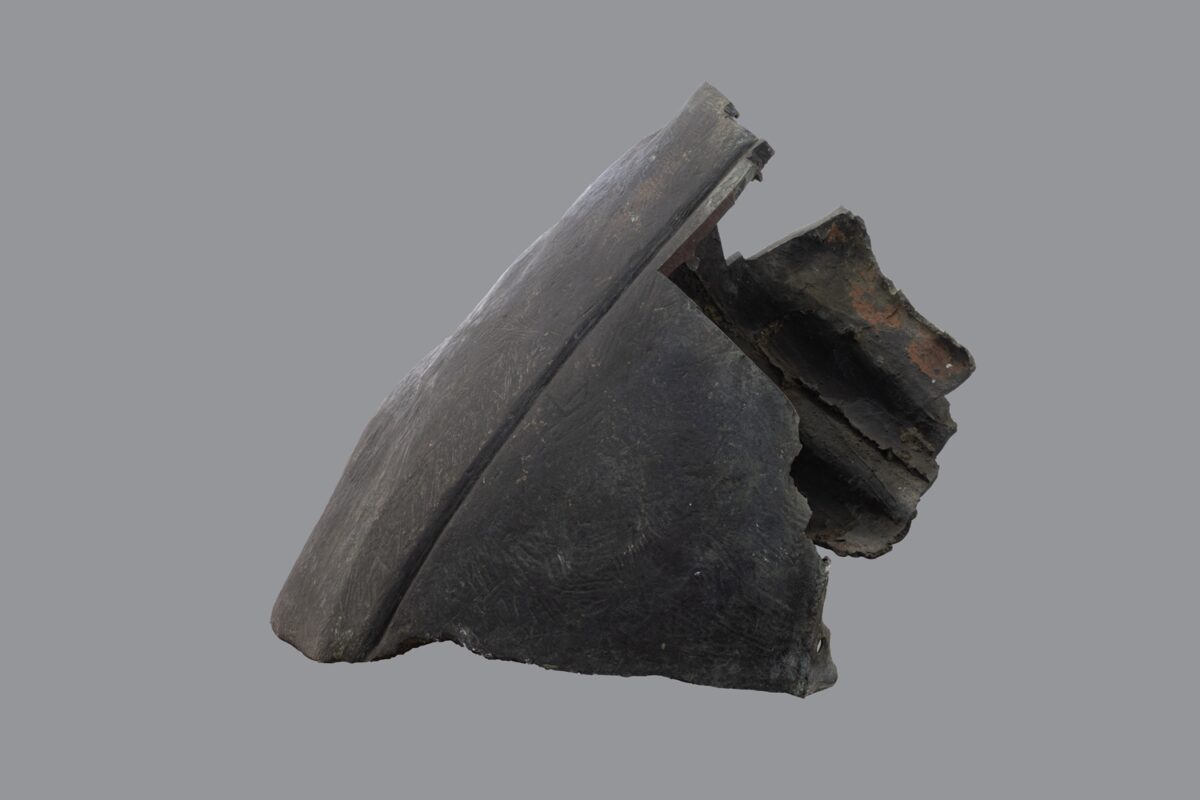
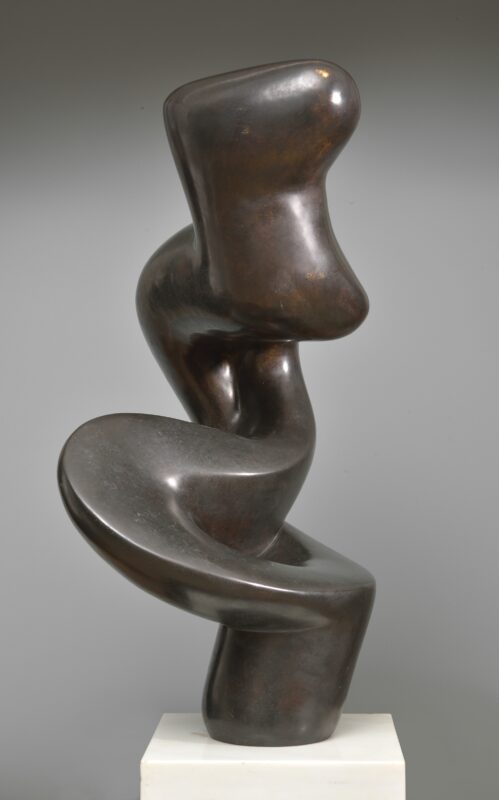
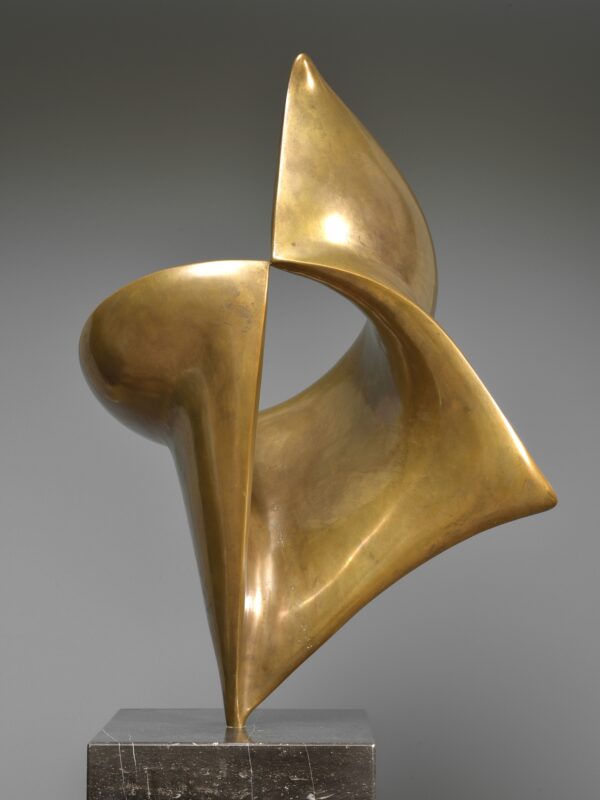
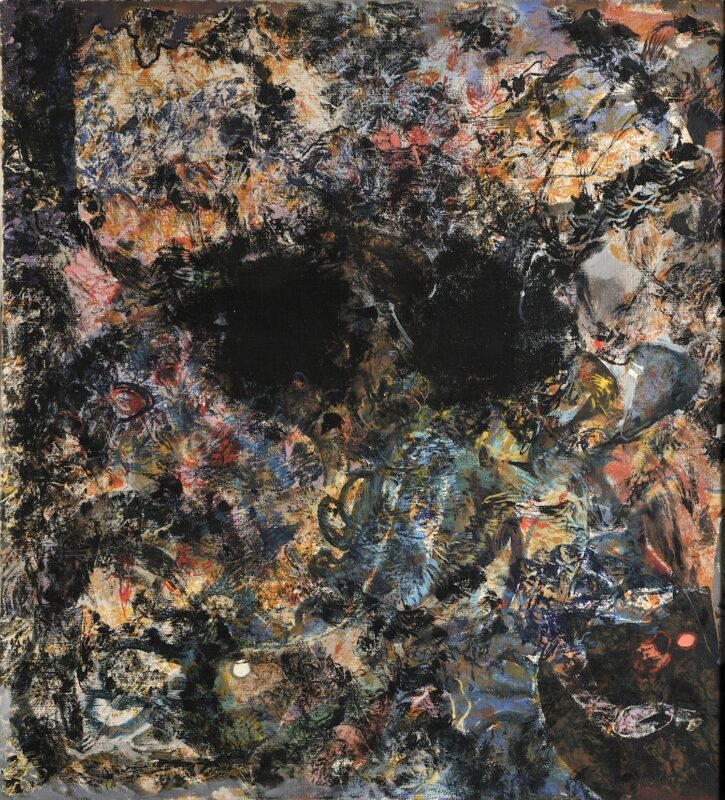
Turbet-Delof used diplomatic mail—the diplomatic pouch—and his own car to support Hungarian artists. He forwarded private letters and arranged for paintbrushes and musical scores to be sent to Hungary. He even helped people and works of art cross the border clandestinely: paintings by Béla Czóbel and Endre Rozsda left the country with his assistance.
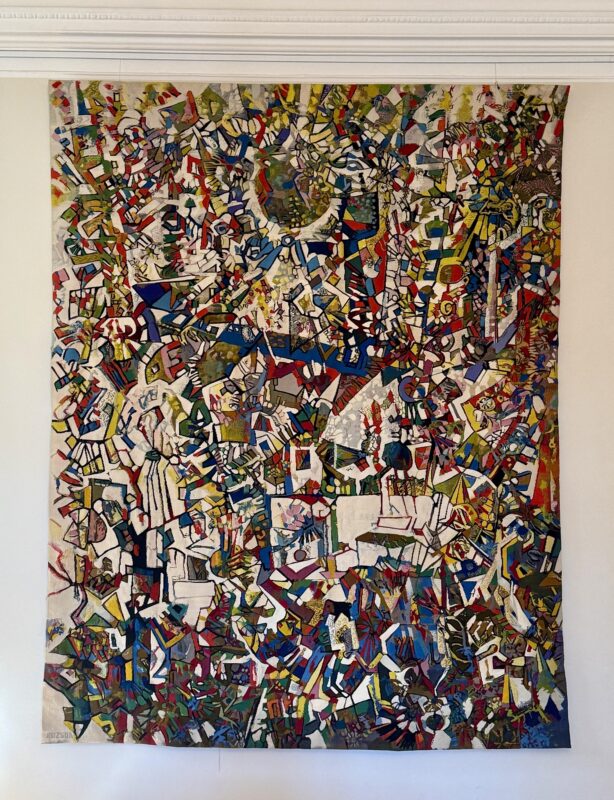
For Endre Rozsda, who longed for freedom and chose exile, Turbet-Delof sought supporters and exhibition opportunities. After Rozsda established an international career, the French state commissioned a tapestry based on his painting Initiation. In a fitting return, it came to hang at the French ambassador’s residence in Budapest. This exceptional work now leaves the residence and goes on public display.
The exhibition presents works by artists whose careers intersected with Turbet-Delof’s work: large-scale paintings and smaller works on paper by Endre Rozsda; sculptures and sculptural studies by Lajos Barta; and works by Béla Czóbel, Tibor Vilt, Márk Vedres and Géza Gorka. Alongside works given to the diplomat and pieces by artists in his circle, visitors will encounter listening devices used by the political police, surveillance photographs and official records, as well as filmed interviews that bring stories to life.