


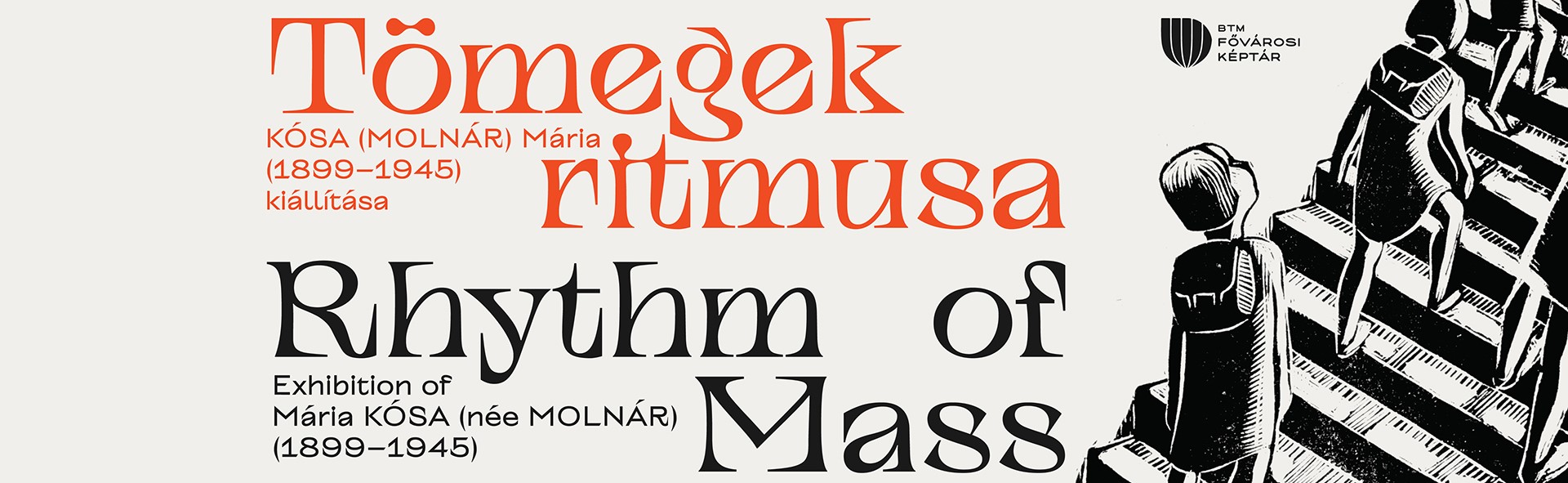
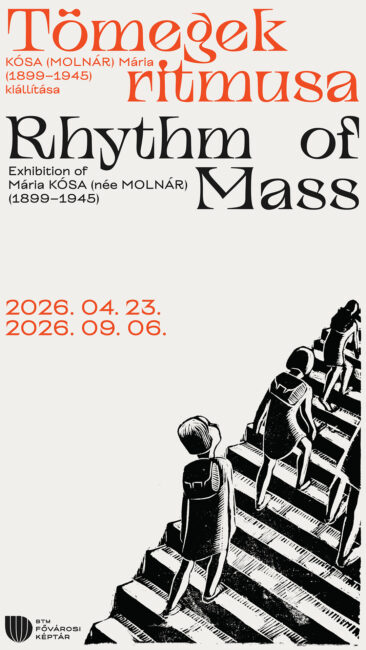
RHYTHM OF MASS
April 23, 2026 – September 6, 2026
Curators: Eszter Molnárné Aczél, Lívia Páldi
Venue: BTM Kiscelli Museum, 1037 Budapest, 108 Kiscelli Street
Opening hours: Tuesday–Sunday, 10:00–18:00
“My art’s fundamental conceit is the evocation of mass; the detail engages me only insofar as it heightens, renders perceptible, and reinforces the rhythm of mass. In portraiture I seek out the directional lines of the forms; the particulars must be merged into these lines, that thereby I may more powerfully express the character of the individual. I often enclose my figures in drapery, stripped of all naturalistic intent, so that both the group as a whole—yet also the essential character of each individual figure—may assert itself more powerfully. In composition likewise, it is always the totality, the mass, that concerns me; I start from the mass, never from the individual element, and I subordinate detail to mass.” (Mária Kósa)
Though she was a significant artist of the interwar period, Mária Kósa is still relatively little known today. There are several possible reasons why her work did not enter the art historical canon: her early, tragic death, her dispersed—presumably partly destroyed—oeuvre, and the shift in artistic taste and values following the change in art policy after 1948.
Part of her estate—patinated plaster small sculptures, as well as graphic works (lino- and woodcuts)—were donated to the Kiscell Museum – Municipal Gallery through the generosity of the descendants of the Molnár family and the later families of her husband György Kósa. In recent years, our collection has been complemented with additional graphic works and documents, and further materials have also surfaced in private collections.
Since only few direct sources survive regarding the social and artistic relationships of Mária Kósa, we primarily rely on the work and legacy of her husband, composer and pianist György Kósa, to reconstruct the milieu in which she found inspiration, created her works, and engaged in artistic and social interactions. Within these circles, music likely played a central role, along with the revival of passion plays and mystery plays in the interwar period, as well as movement art—combining free dance, modern female gymnastics, and avant-garde theatrical experiments. The family’s deepening of faith and engagement with spirituality may also have been significant influences.
All of this justified presenting, within the framework of a solo exhibition, a more complete picture of an artistic career that can only be reconstructed from fragments.
FEATURED WORKS
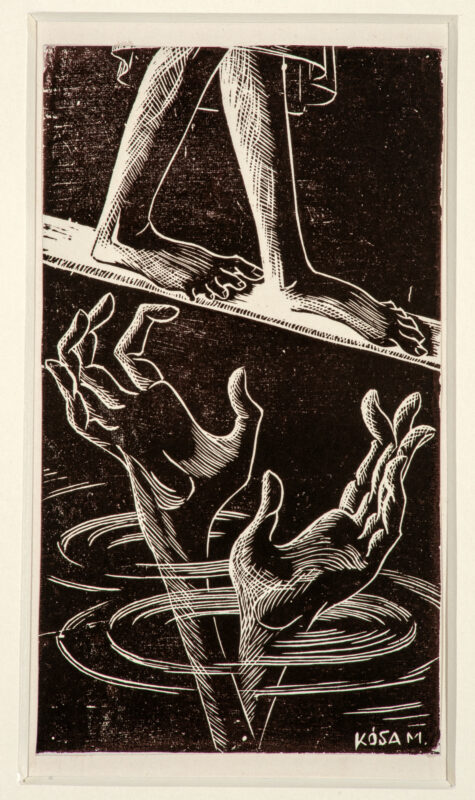
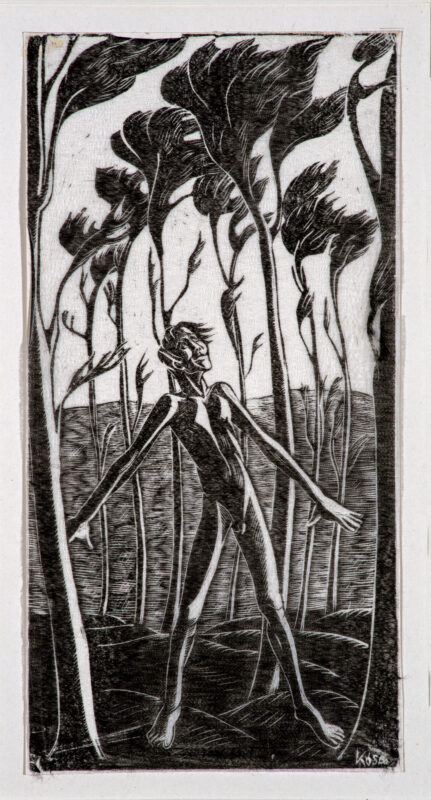
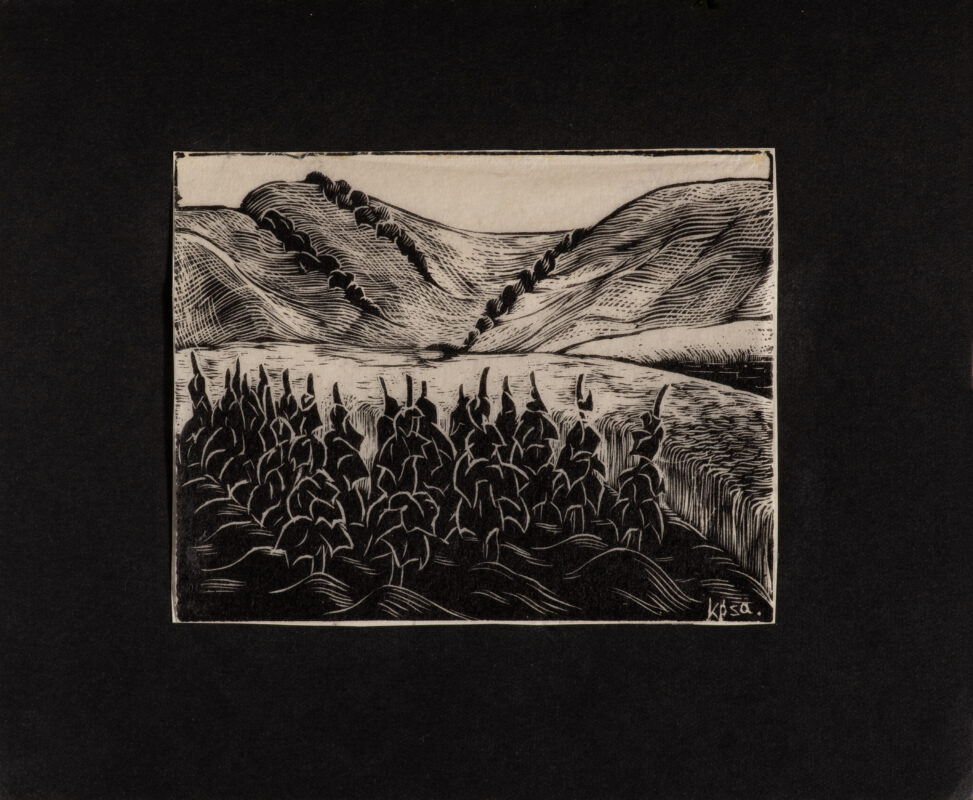
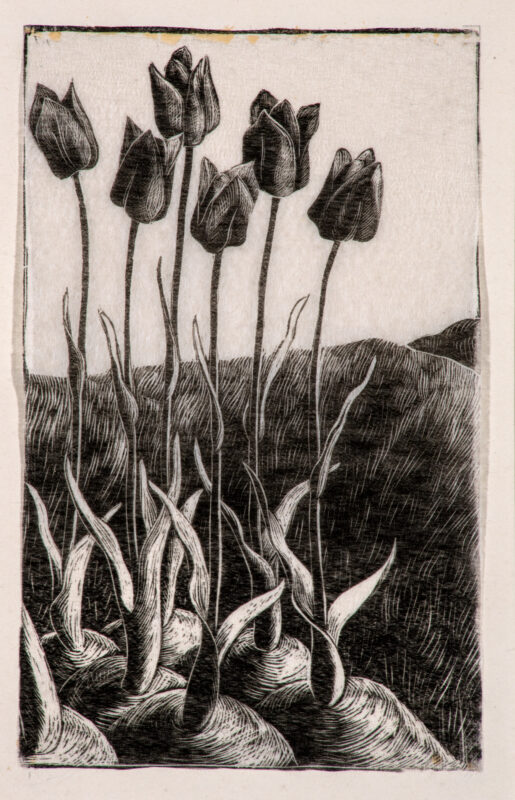
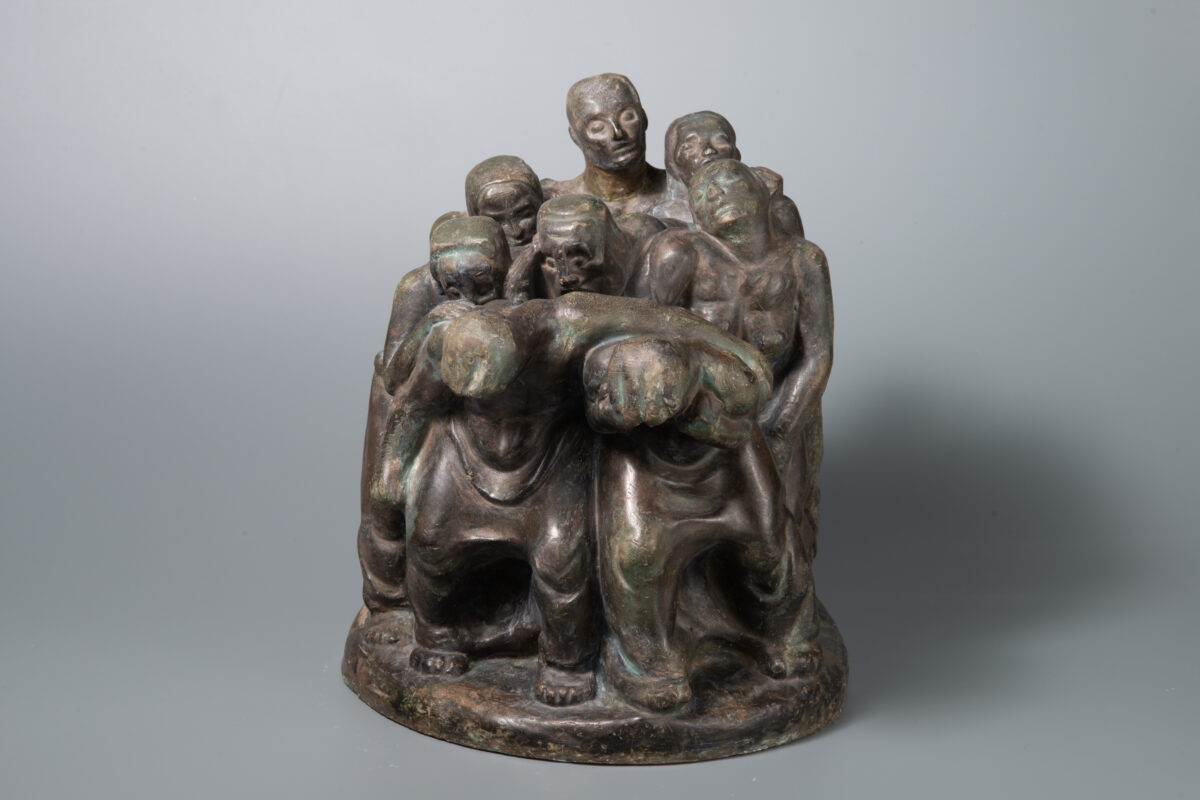
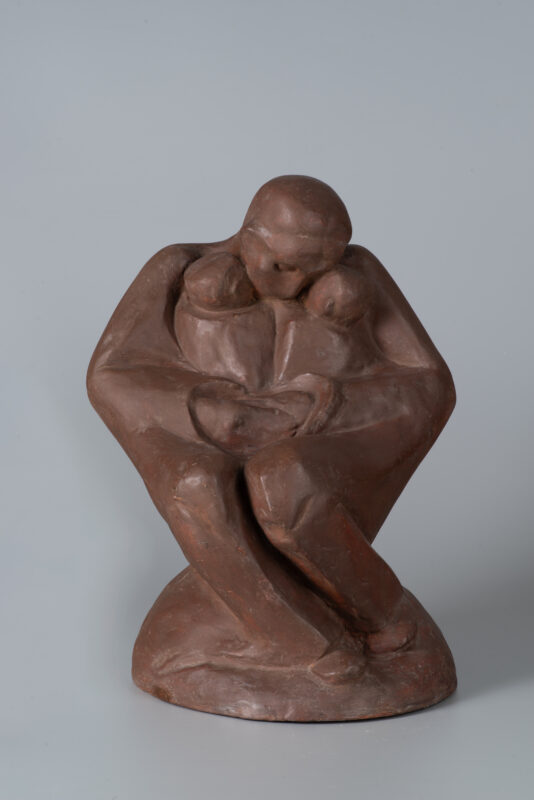
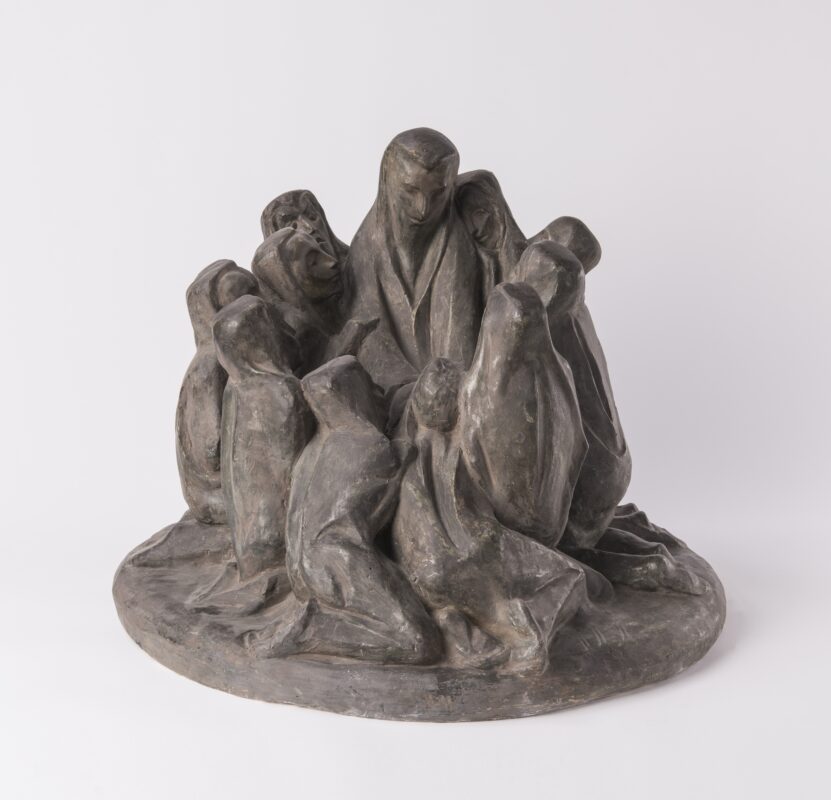
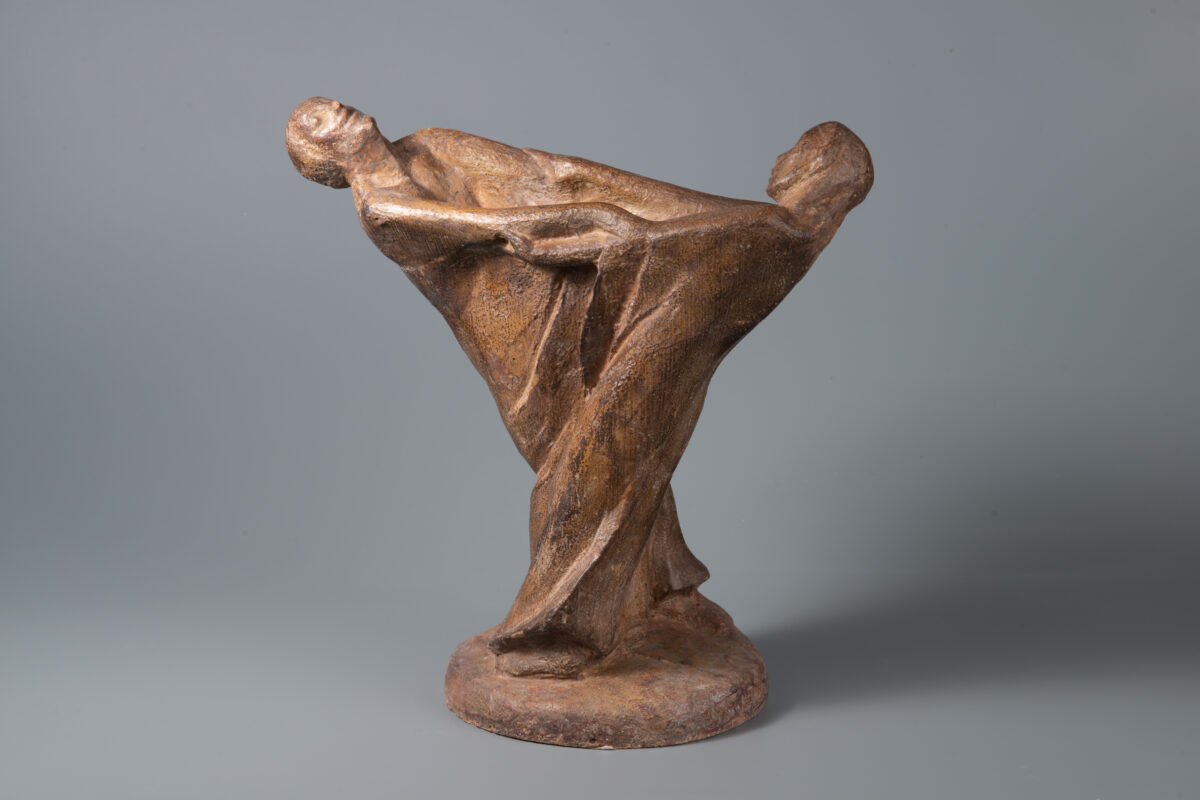
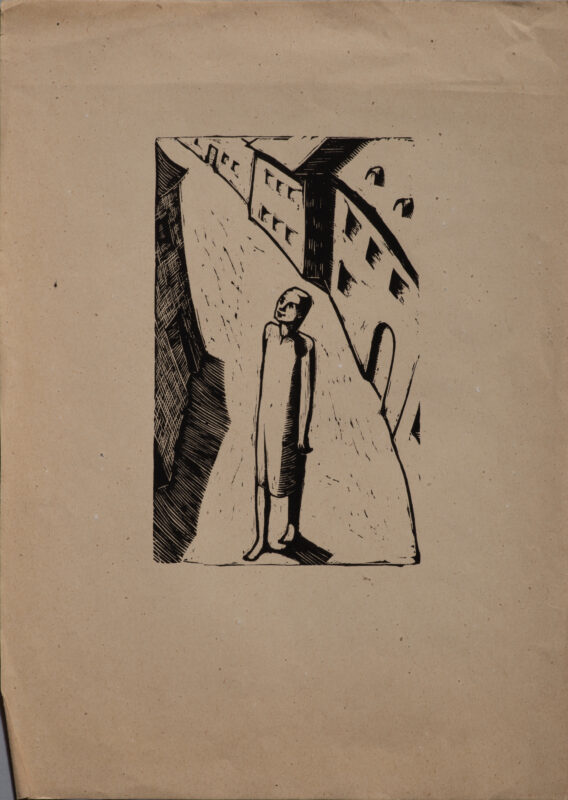
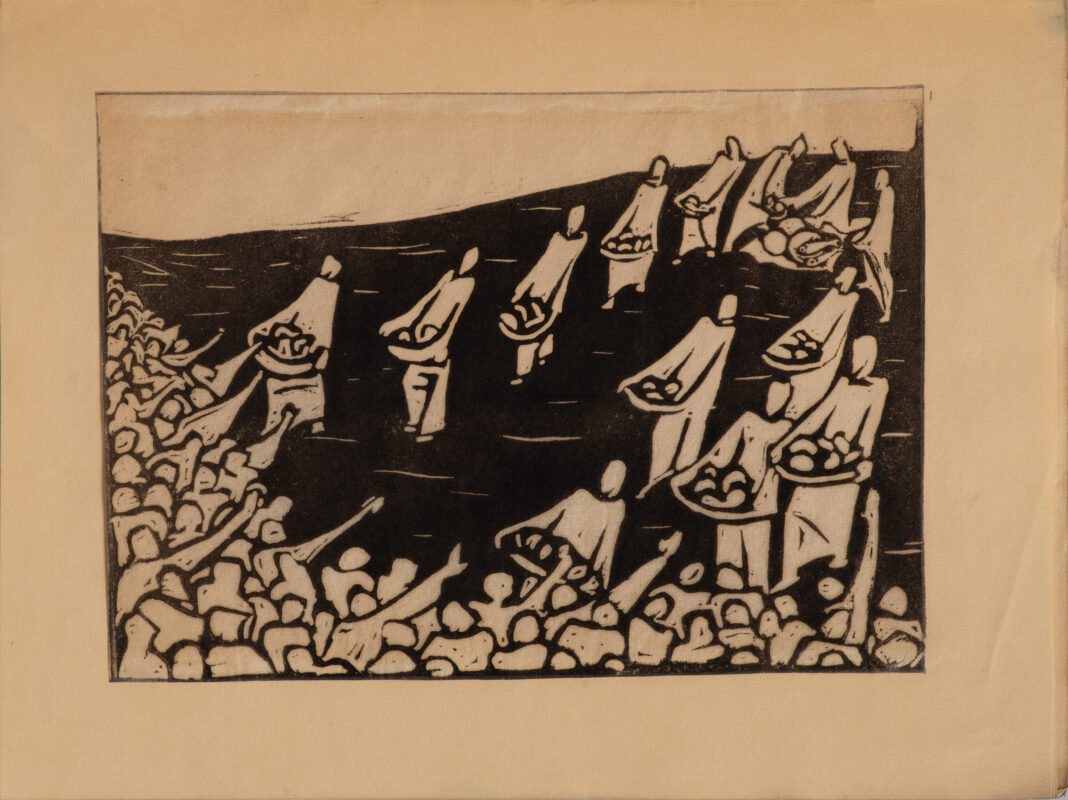
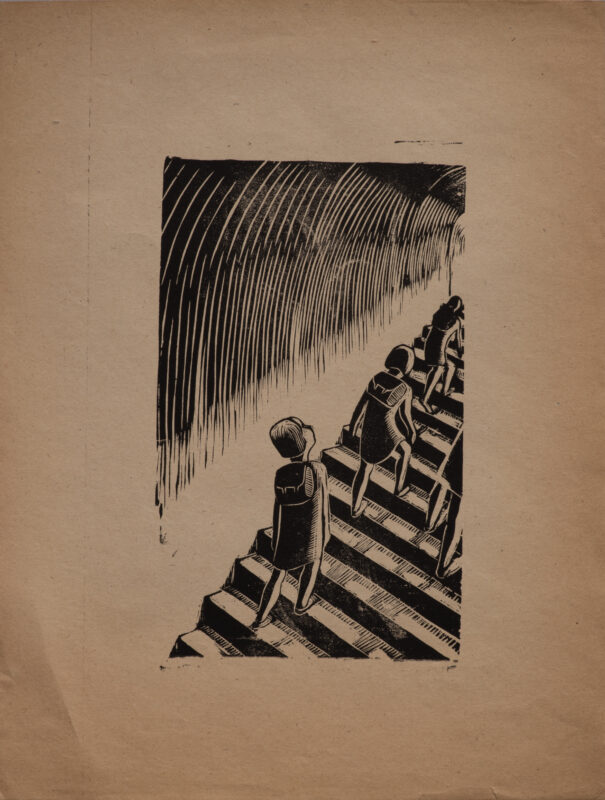
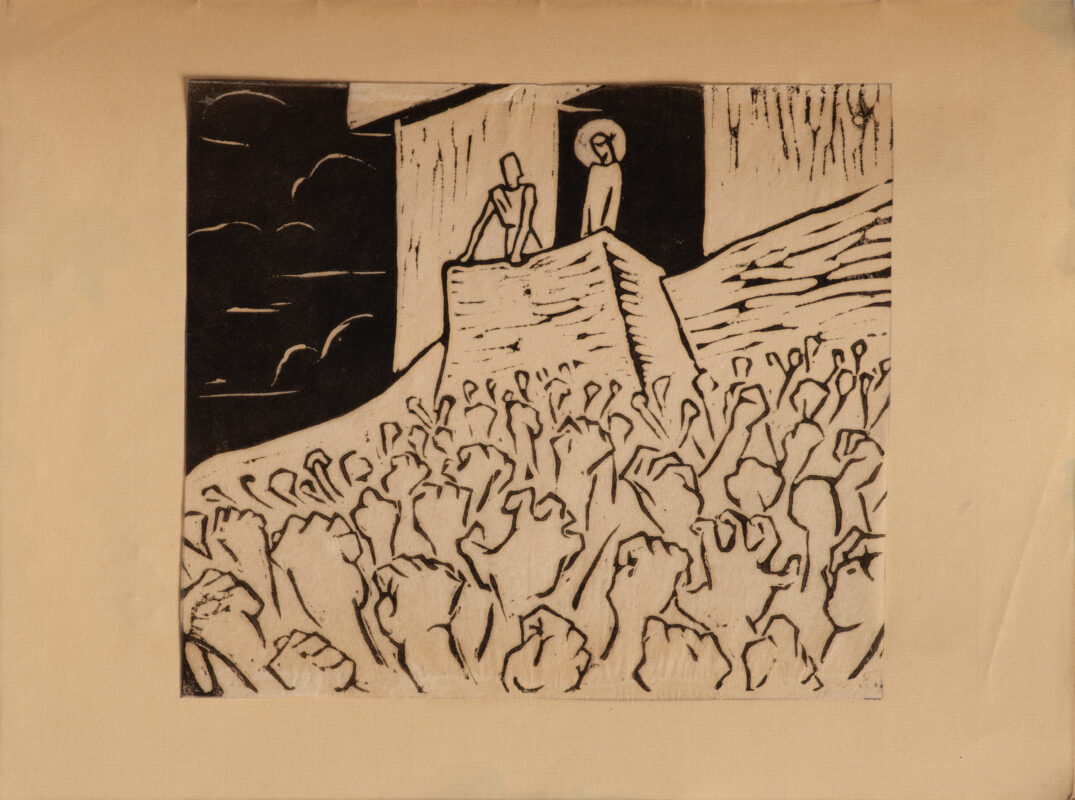
Mária Kósa often turned to biblical themes. In her works, she was equally concerned with interpersonal relationships and with the human relationship to the transcendent. Her sculpture is shaped both by Expressionism and Symbolism: it conveys powerful emotions while the central concern of her art lies in the rendering—and the very possibility of rendering—the layers of meaning concealed beneath the surface.
Alongside sculpture, she produced woodcuts and linocuts arranged in cycles, printed by hand, and bound in unique folders—not intended for commercial sale. These works include biblical and personal themes, as well as humorous animal fables. She also wrote librettos for two of her husband’s compositions, demonstrating her artistic versatility.
Mária Kósa came of age during the years of the First World War and lived and worked in a period marked by significant political, social, and cultural tensions in its aftermath. This era—heavily burdened with revolutions and the consequences of the Treaty of Trianon—was defined by revisionism and irredentism, which permeated everyday life, public education, and material culture alike. At the same time, antisemitism, of which she would later become a victim, increasingly shaped public discourse and civic life.
By the early twentieth century, artistic careers had become formally accessible to women, yet the institutional and market conditions available to them remained far more limited than those available to men. Wars and political upheavals disrupted artistic trajectories: works were lost, estates dispersed, and, as tastes and values later shifted, the work of many artists was pushed into the background.
A large part of Mária Kósa’s sculptural and graphic legacy has been preserved, miraculously, thanks to the Kósa family and the family of Ágnes Molnár. In the 1980s, Anna Kósa (née Kepes) donated works to the Municipal Gallery. Thanks to the families, recent research has, for the first time, given us the opportunity to reunite previously dispersed materials and reveal connections within Mária Kósa (Molnár)’s artistic career that have until now remained hidden. This exhibition seeks to affirm the continued relevance of her work, even a century later, and to reintegrate her into the narrative from which she was long excluded due to historical circumstances and subsequent shifts in various aspects and emphases of art.
Molnárné Eszter Aczél, Lívia Páldi curators of the exhibition